Her day begins at 4:45 a.m., long before the sun rises over Malden. Ramadan quietly reshapes the clock.
She wakes for suḥūr, the pre-dawn meal. It is intentionally light but nourishing: a bowl of oatmeal cooked with milk, a sliced banana, a handful of dates, and a full glass of water. Sometimes an egg. Sometimes yogurt. It is not indulgent, but it is thoughtful. Ramadan meals are chosen less for pleasure and more for steadiness. Food that will carry her, not weigh her down.
After eating, she performs wuḍūʾ, the ritual washing, and prays Ṣalāt al-Fajr, the dawn prayer, in the quiet of her living room. This is the first of the five daily prayers Muslims observe: Fajr (before sunrise), Ẓuhr (early afternoon), ʿAṣr (late afternoon), Maghrib (just after sunset), and ʿIshāʾ (night).
When Fajr ends, the fast begins.
By mid-morning, she is in her classroom, greeting eight and nine-year-olds who are far more interested in spelling quizzes than theology. She teaches reading, math, and social studies. Ramadan does not exempt her from the day's demands. If anything, it asks more of her character.
When Ẓuhr time arrives during her lunch break, she prays quietly in an empty classroom, using a corner near her desk. She keeps a small prayer mat folded in her bag. The prayer takes five minutes.
She does not eat lunch. Instead, she grades papers and answers emails. Hunger is present but not dramatic. What she notices more is thirst, and how the fast sharpens her awareness of how often she would normally sip water without thinking.
In the late afternoon, when energy dips, she prays ʿAṣr.
After the final bell, she drives home as the sky begins to soften toward evening. At home, the kitchen smells warm and familiar. Iftār, the breaking of the fast, is simple but deeply satisfying. She begins the way the Prophet Muhammad ﷺ taught: with dates and water. The first sip feels electric.
Dinner might be lentil soup, baked chicken, rice, and roasted vegetables. Food tastes different in Ramadan.
At sunset, she prays Maghrib at home. Later, after dinner settles, she prepares for the night prayer, ʿIshāʾ, followed by Tarāwīḥ.
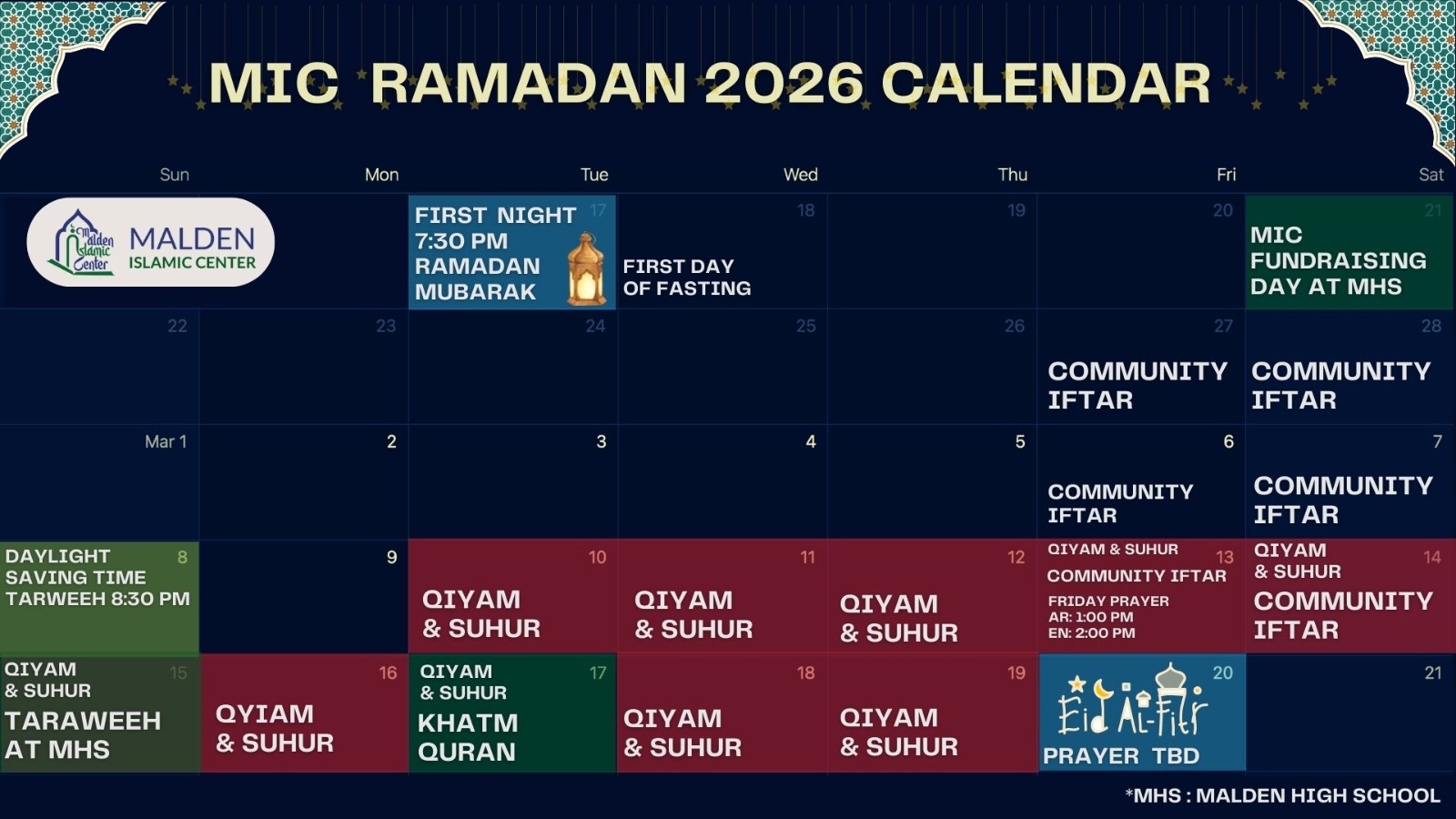
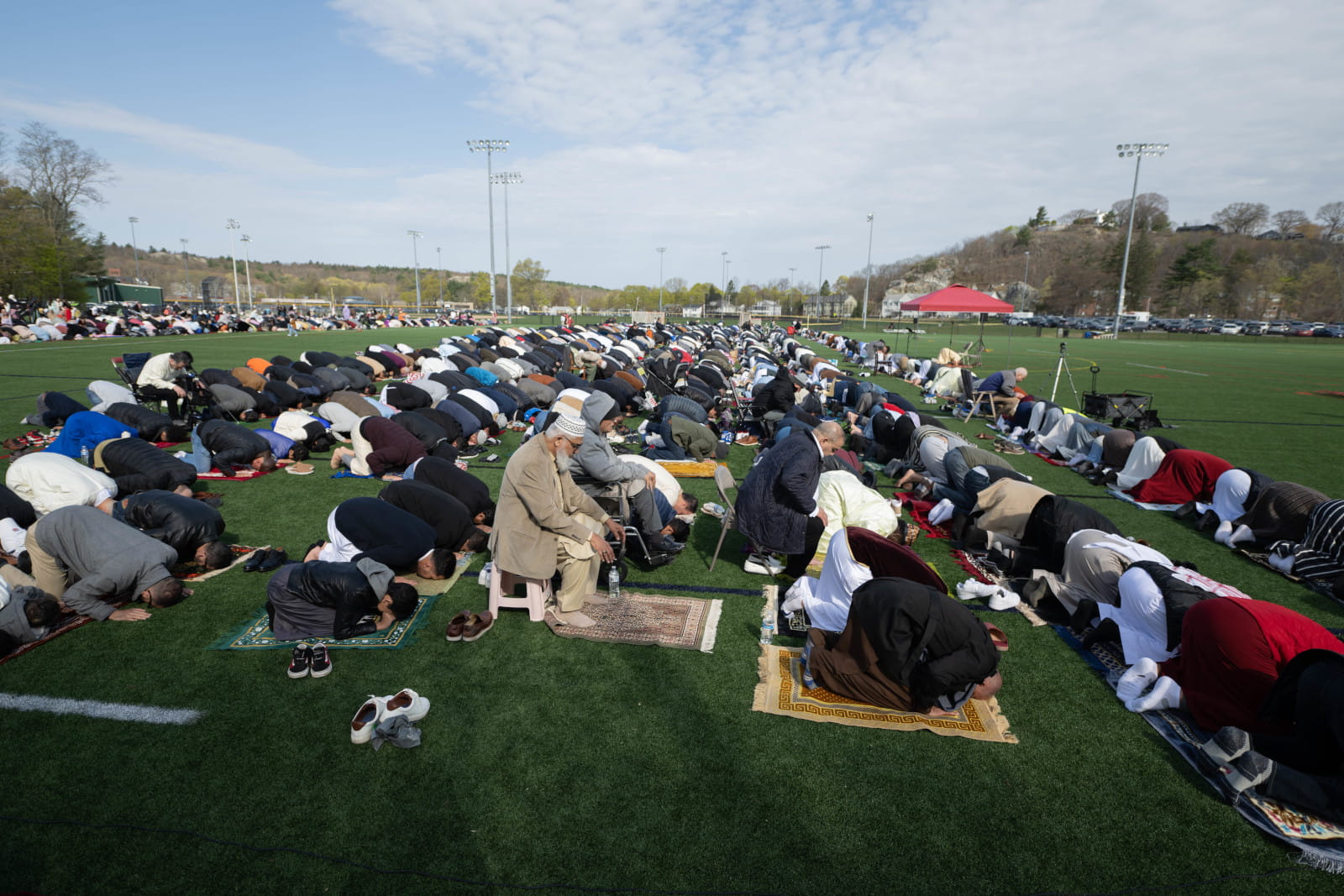
Tarāwīḥ is a special set of nightly prayers performed only in Ramadan. They are longer, slower, and centered on listening to extended portions of the Qur'an. She goes to the mosque a few nights a week, sometimes alone, sometimes with friends or family. They stand shoulder to shoulder, tired but present, listening as the Qur'an is recited aloud, verse by verse, night after night.
It is not obligatory. But it is beloved.
By the time she returns home, the day has come full circle. She sets her alarm again. Another early morning awaits.
This is Ramadan for her, not as an abstract ritual, but as a rhythm carried through lesson plans and prayer times, through hunger and patience, through quiet moments of worship tucked into an ordinary American life. It is faith practiced without withdrawal from the world. Just lived, carefully, intentionally, inside it.